


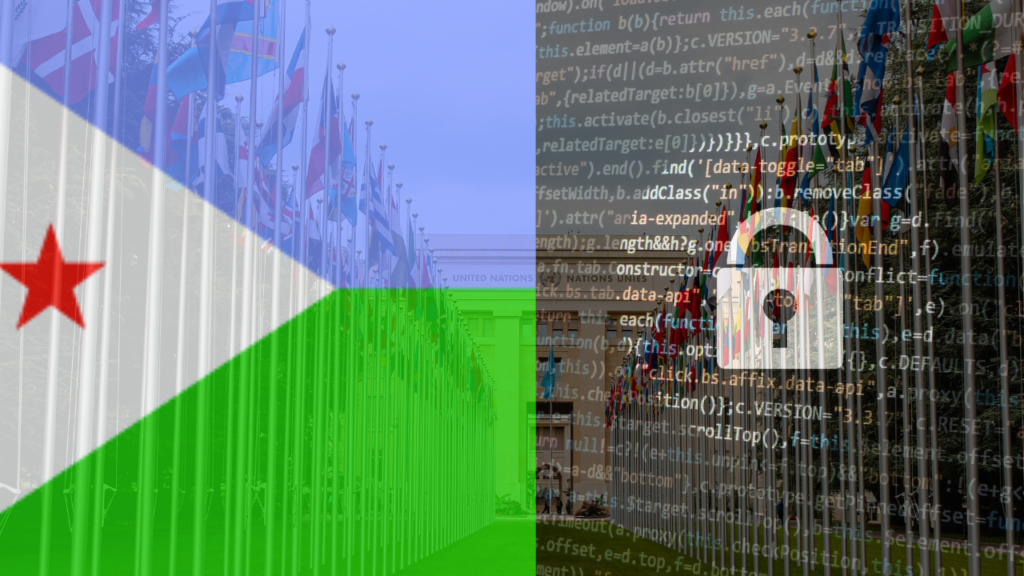
In a commendable move towards navigating the complex world of cyberdiplomacy, Djibouti has organized training sessions for its parliamentarians.
This proactive initiative highlights the growing recognition of cybersecurity as a critical national security and international relations concern. Let’s delve into the significance of this training, explore the evolving landscape of cyberdiplomacy, and discuss how other nations can follow suit.
Building Capacity, Bolstering Defenses:
Djibouti’s parliamentarians play a crucial role in shaping national cybersecurity policies and legislation. Equipping them with knowledge and skills in cyberdiplomacy empowers them to:
- Understand the evolving cyber threat landscape: From cyberattacks on critical infrastructure to disinformation campaigns, parliamentarians need to grasp the multifaceted nature of cyber threats.
- Engage in informed policy debates: Effective cybersecurity policies require a nuanced understanding of technical aspects, legal frameworks, and international cooperation.
- Advocate for responsible behavior in cyberspace: Parliamentarians can play a vital role in promoting norms and international treaties governing responsible state behavior in cyberspace.
- Foster international cooperation: Collaboration across borders is essential to combat cyber threats effectively. Parliamentarians can play a key role in strengthening international partnerships and information sharing.
The Evolving Landscape of Cyberdiplomacy:
Cyber threats transcend physical borders, demanding a global response. Cyberdiplomacy has emerged as a crucial field, encompassing:
- International negotiations and agreements: Developing frameworks and norms for responsible behavior in cyberspace, addressing issues like cybercrime and cyberwarfare.
- Capacity building: Supporting other nations in developing their cybersecurity capabilities and fostering international cooperation.
- Crisis management and conflict resolution: Addressing cyber incidents through diplomatic channels and minimizing escalation.
- Strategic dialogue and information sharing: Building trust and fostering communication between nations on cybersecurity issues.
10 Steps for Broader Cyberdiplomacy Adoption:
As the cyber landscape evolves, other nations can learn from Djibouti’s proactive approach:
- Invest in cyberdiplomacy training: Equip policymakers, diplomats, and other stakeholders with necessary skills and knowledge.
- Establish dedicated cyber diplomacy structures: Create government bodies or inter-ministerial groups focused on cyber issues.
- Engage with international partners: Actively participate in international forums and negotiations on cyber issues.
- Promote responsible state behavior: Advocate for clear norms and legal frameworks governing cyberspace.
- Support capacity building initiatives: Assist other nations in developing their cybersecurity capabilities.
- Foster public awareness: Educate citizens about cyber threats and responsible online behavior.
- Promote public-private partnerships: Collaborate with industry and civil society on cybersecurity issues.
- Invest in cyber research and development: Support initiatives to develop innovative cybersecurity solutions.
- Conduct regular cyber diplomacy exercises: Simulate cyber incidents and responses to strengthen preparedness.
- Promote transparency and accountability: Encourage responsible disclosure of vulnerabilities and hold malicious actors accountable.
Conclusion:
Djibouti’s parliamentarian training program sets a commendable example in recognizing the importance of cyberdiplomacy. By investing in knowledge, fostering international cooperation, and promoting responsible behavior in cyberspace, we can collectively navigate the complex digital landscape and build a more secure future for all. Remember, collaboration and proactive engagement are key to securing the ever-evolving digital frontier.