


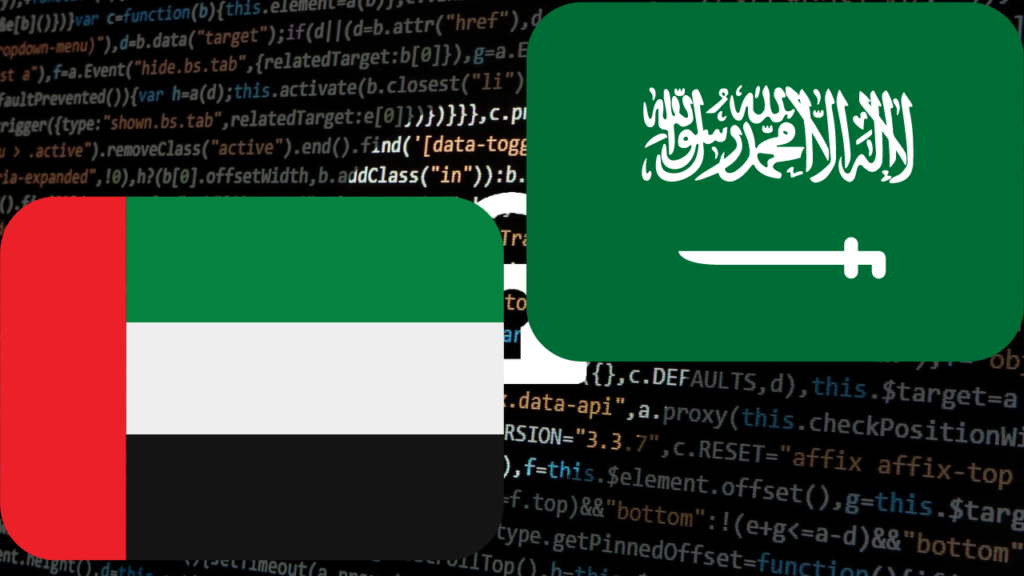
The Middle East is a dynamic region experiencing rapid digital transformation. However, this growth comes hand-in-hand with heightened cybersecurity concerns.
Recent reports reveal that the United Arab Emirates (UAE) and the Kingdom of Saudi Arabia (KSA) have become prime targets for cyberattacks within the region. Let’s explore the factors contributing to this trend and delve into actionable steps organizations in the Middle East can take to strengthen their cybersecurity posture.
A Targeted Landscape: Why UAE and KSA are Under Fire
Several factors contribute to the UAE and KSA being top targets for cyberattacks:
- Economic Powerhouses: Both countries boast robust economies and are major hubs for international business. This makes them attractive targets for attackers seeking financial gain through ransomware attacks or data breaches.
- Strategic Importance: The UAE and KSA play a significant role in the global energy sector. Cyberattacks targeting critical infrastructure in these nations could disrupt energy supplies and have far-reaching consequences.
- Technological Advancement: The UAE and KSA are actively implementing cutting-edge technologies like cloud computing and AI. However, these advancements can introduce new vulnerabilities that attackers may exploit.
- Evolving Threat Landscape: Cybercriminals are constantly refining their tactics. Ransomware-as-a-Service (RaaS) and the commoditization of cyberattacks make it easier for less skilled individuals to launch sophisticated attacks.
10 Steps to Fortify Your Organization’s Cybersecurity Defenses
While the Middle East faces a unique set of cybersecurity challenges, there are universal best practices that organizations can adopt:
- Regular Vulnerability Assessments: Proactively identify and address vulnerabilities in your systems and applications.
- Patch Management: Prioritize timely application of security updates to address known vulnerabilities.
- Multi-Factor Authentication (MFA): Enforce MFA for all user accounts to add an extra layer of login security.
- Employee Security Awareness Training: Educate employees about cybersecurity best practices and how to identify and avoid phishing attempts.
- Data Security Measures: Implement strong data encryption practices to protect sensitive information.
- Network Segmentation: Segment your network to minimize the potential impact of a security breach.
- Incident Response Planning: Develop and test an incident response plan to effectively manage security incidents and data breaches.
- Cybersecurity Insurance: Consider cyber insurance to help mitigate financial losses in the event of a cyberattack.
- Threat Intelligence: Stay informed about the latest cyber threats and trends through threat intelligence feeds and security resources.
- Security Culture: Foster a culture of security within your organization where everyone prioritizes cybersecurity hygiene.
Conclusion
The UAE and KSA’s leading positions in the Middle East inevitably make them attractive targets for cyberattacks. However, by understanding the evolving threat landscape and implementing robust cybersecurity measures, organizations can significantly reduce their attack surface and protect their valuable data and assets. Collaboration between governments, businesses, and security experts is crucial for building a more resilient cybersecurity ecosystem in the Middle East. By working together, we can navigate the digital age with greater confidence and minimize the impact of cyber threats.