


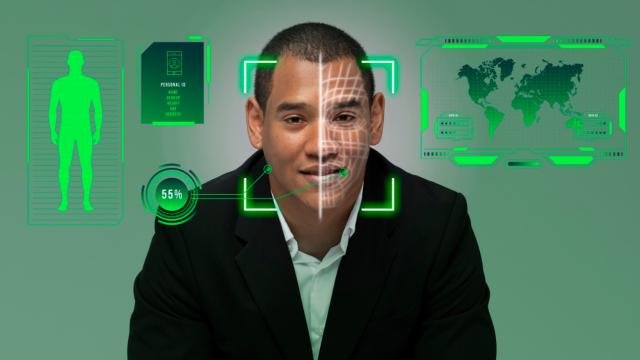
The digital age has revolutionized how we create and consume media. However, with this progress comes a growing concern: deepfakes. These synthetic media creations use artificial intelligence (AI) to manipulate existing images, videos, or audio recordings, generating realistic depictions of people saying or doing things they never did. Understanding deepfakes, their potential impacts, and how to identify them is crucial for navigating the increasingly fabricated online world.
What are Deepfakes?
Deepfakes are a type of synthetic media generated using deep learning algorithms, a subfield of AI. These algorithms are trained on massive datasets of images or videos of a specific person. Once trained, the AI can then manipulate existing footage to replace the target person’s face, voice, or body language with another person’s likeness, creating a highly believable illusion.
How Do Deepfakes Work?
Deepfakes typically utilize two main AI techniques:
- Autoencoders: These algorithms learn to compress and reconstruct data, allowing them to extract features like facial expressions and body movements from source videos.
- Generative Adversarial Networks (GANs): These involve two competing neural networks. One network (generator) creates new, manipulated media, while the other network (discriminator) tries to distinguish the generated content from real footage. Through this competition, the generator progressively improves its ability to create realistic deepfakes that can fool the discriminator.
The Evolution of Deepfakes
Deepfakes have evolved significantly in recent years:
- Early Deepfakes: Initial deepfakes primarily focused on manipulating facial features in videos, often generating humorous content.
- Advanced Techniques: As technology advances, deepfakes are becoming increasingly sophisticated, incorporating voice manipulation and body language synthesis for a more convincing effect.
- Accessibility: Deepfake creation tools are becoming more accessible, with user-friendly software and online services lowering the barrier to entry for both skilled creators and malicious actors.
The Potential Impacts of Deepfakes
The rise of deepfakes raises several concerns:
- Misinformation and Propaganda: Deepfakes can be used to create fake news videos or manipulate public opinion by portraying politicians or celebrities saying things they never uttered.
- Damage to Reputation: Deepfakes can be used to create compromising or embarrassing videos of individuals, causing reputational damage and emotional distress.
- Financial Fraud: Deepfakes might be used to impersonate executives or CEOs for fraudulent financial transactions or manipulate voice recordings for financial gain.
- Erosion of Trust: The widespread use of deepfakes can erode public trust in media and sow doubt about the authenticity of online content.
10 Must-Know Facts About Deepfakes
- Deepfakes Can Be Difficult to Detect: Even sophisticated deepfakes can be highly realistic, making detection challenging for the average user.
- Deepfakes Are Not Always Malicious: Deepfakes can be used for entertainment purposes or social commentary. However, the potential for misuse necessitates caution.
- Deepfake Detection Tools Are Evolving: Researchers are developing tools that utilize AI to analyze subtle inconsistencies in deepfakes, aiding in their detection.
- Fact-Checking is Crucial: In today’s digital landscape, practicing healthy skepticism and consulting reliable fact-checking resources is essential before sharing or believing online content.
- Scrutinize the Source: Pay close attention to the source of online videos and audio recordings. Unfamiliar or suspicious sources should raise red flags.
- Look for Inconsistencies: Deepfakes might exhibit subtle inconsistencies, like unnatural facial movements, jerky body language, or asynchronous lip syncing with audio.
- Reverse Image Search: Utilize reverse image search tools to verify the origin of images used in potentially manipulated content.
- Media Literacy is Key: Educating yourself and others about deepfakes and how to critically evaluate online content is crucial for navigating the digital world.
- Regulation of Deepfakes: The regulation of deepfakes remains a complex issue, with ongoing discussions about balancing freedom of expression with mitigating potential harms.
- The Future of Deepfakes: As AI technology continues to evolve, deepfake creation will likely become easier and more sophisticated. Staying informed about these advancements will be crucial for maintaining vigilance.
Conclusion: Navigating the Blurred Lines of Reality
Deepfakes represent a complex phenomenon with both potential benefits and significant risks. By understanding their technical aspects, the potential consequences of misuse, and available detection methods, we can become savvier consumers of online content. Furthermore, fostering open discussions about responsible AI development and ethical considerations is crucial in shaping the future of this technology.